Opening a Canadian bank account, getting a Canadian SIM card, and registering for provincial health coverage are three of the most important practical tasks for international students arriving in Canada. Completing all three efficiently in your first week prevents weeks of financial and administrative friction that can seriously impact your first semester. This guide gives you the specific, current information you need for 2026. StudentBuddy helps international students navigate life in Canada, from finding student accommodation in Canada to settling in through StudentBuddy's student life resources.
Banking: open a free student account at TD, RBC, Scotiabank, CIBC, or BMO in your first week — bring passport and study permit. SIM card: buy from Fido, Koodo, or Freedom Mobile for budget ($35–$50/month) or Rogers/Bell/Telus for premium coverage. Health card: register the day you arrive — Ontario's OHIP has a 3-month waiting period, BC MSP has no wait, Quebec requires registration within 3 months. Your university health plan covers you during any waiting period.
Canadian banking — choosing the right account
| Bank | Student account | Monthly fee | Best for |
|---|---|---|---|
| TD Bank | TD Student Chequing | $0 | Most popular with international students |
| RBC | RBC Student Banking | $0 | Wide branch network |
| Scotiabank | Student Banking Advantage | $0 | Good for SDS GIC applicants |
| CIBC | CIBC Smart Account | $0 | Good digital banking |
| BMO | BMO Student Banking | $0–$4.95 | Digital-first experience |
| Tangerine | No-fee chequing | $0 | Online only; no branches |
| EQ Bank | Notice Savings | $0 | High interest on savings; no physical card |
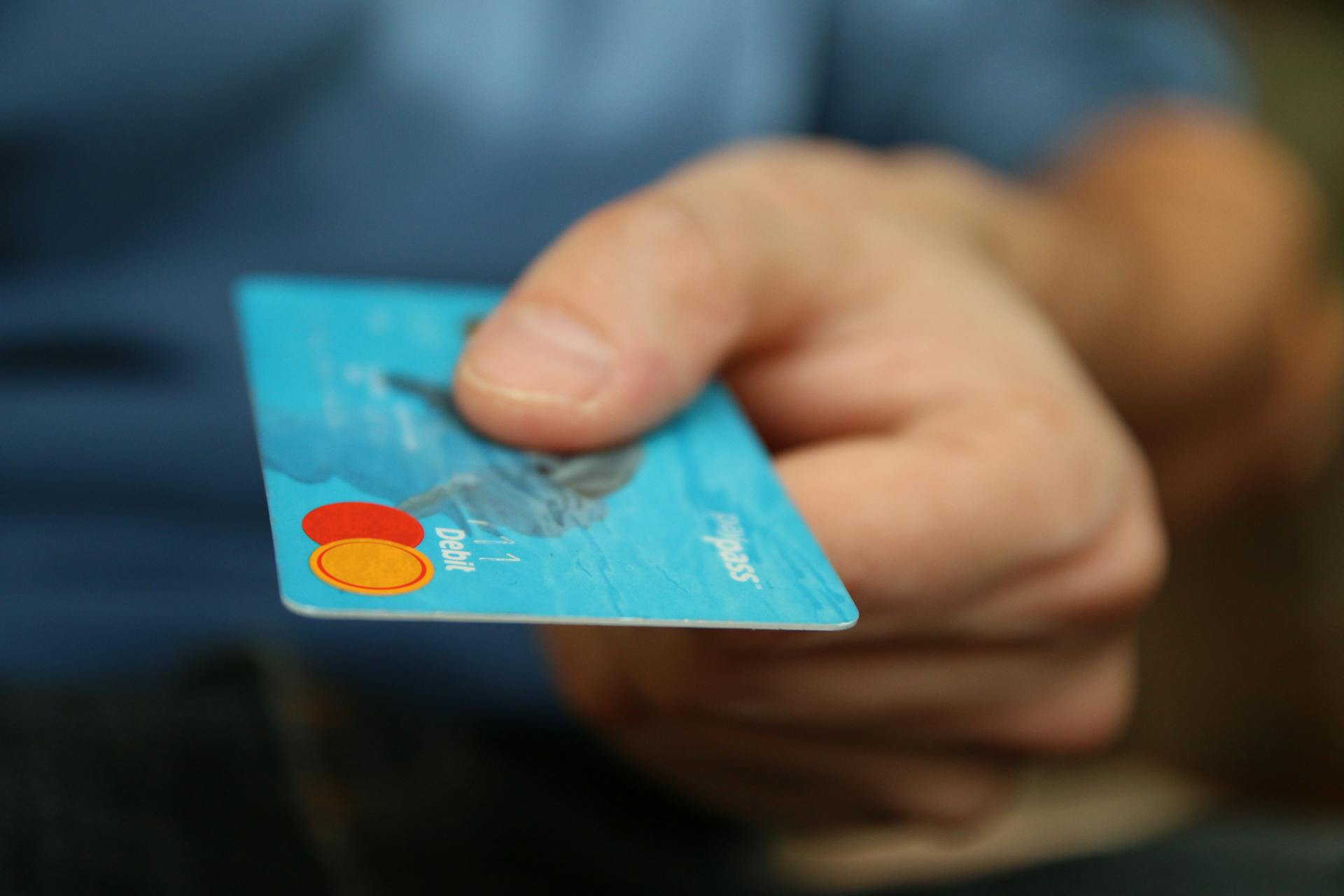
Bring to your appointment: your passport (photo page), study permit, Canadian address (accommodation contract or letter), and your university acceptance letter. Account opening takes 30–60 minutes. Your debit card may be issued same-day or mailed in 5–7 business days. Activate online banking and Interac e-transfer immediately — e-transfer is how Canadian landlords typically accept rent and how students split household bills.
Best Canadian SIM cards for international students 2026
| Provider | Category | Monthly cost | Data | Notes |
|---|---|---|---|---|
| Freedom Mobile | Budget | $25–$40 | 20–50GB | Good in major cities; less reliable rurally |
| Fido (Rogers sub) | Mid-range | $35–$55 | 25–75GB | Good value, reliable coverage |
| Koodo (Telus sub) | Mid-range | $35–$55 | 25–75GB | Very reliable, mid-price, tab system |
| Virgin Plus (Bell sub) | Mid-range | $35–$55 | 25–75GB | Strong Bell network coverage |
| Public Mobile (Telus) | Budget | $25–$40 | 15–30GB | Cheapest option; online only, no stores |
| Videotron | Budget/Quebec | $25–$45 | 25–50GB | Best value in Quebec province |
| Rogers | Premium | $55–$80 | 50GB–unlimited | Best urban coverage nationally |
Buy a SIM on your first or second day in Canada. Month-to-month (no contract) plans are appropriate for international students. Avoid signing a 2-year contract until you're certain of your city and carrier preference. Most carriers allow you to keep your existing number or get a new Canadian number — get a Canadian number for local convenience.
Provincial health card — register the day you arrive
| Province | Programme | Waiting period | Action on arrival |
|---|---|---|---|
| Ontario | OHIP | 3 months | Register at ServiceOntario immediately — 3-month clock starts on registration |
| British Columbia | BC Services Card (MSP) | No wait | Register at any Service BC location or online |
| Alberta | AHCIP | 3 months | Register at an Alberta registry agent on or near arrival day |
| Quebec | RAMQ | 3 months | Register at a RAMQ office within 3 months of arrival |
| Nova Scotia | MSI | 3 months | Apply at an MSI office on or near arrival |
| Manitoba | Manitoba Health | 3 months | Register at a Manitoba Health office immediately |
During any waiting period, your university's student health insurance plan (included in your student ancillary fees) provides primary coverage. Carry your student health plan card at all times during the waiting period. Once your provincial health card arrives, most medical visits are covered at no cost at any licensed healthcare provider in the province.
Setting up in Canada? Make sure your accommodation is confirmed before you arrive.
Accommodation is the foundation of your Canadian setup. Browse StudentBuddy for verified student housing near your university — with lease terms and transparent pricing that makes your Canadian start straightforward.
Find student accommodation in Canada →Frequently asked questions
Yes — Visa and Mastercard from most countries work in Canada. However, foreign transaction fees (2.5–3.5% per transaction) and poor exchange rates make daily use expensive. A Canadian bank account with a Canadian debit card is significantly cheaper for everyday spending in Canada.
Most cost-effective options: Wise (TransferWise) — low fees, excellent exchange rates; Remitly — strong rates for India, Nigeria, Philippines; Western Union and MoneyGram — higher fees but widely available and fast; bank wire transfers — reliable but often $15–$45 per transaction. Avoid exchanging at airports or hotel kiosks.
Not immediately, but it eventually helps to build Canadian credit history, which matters for renting apartments, phone plans, and eventually mortgage applications. After 6–12 months of Canadian banking, you can apply for a secured credit card (requires a deposit, no approval risk) which builds credit while limiting spending to your deposited amount.
Present your university student health insurance card at any clinic or hospital. For emergencies, you are always treated regardless of coverage. The university plan provides primary coverage during the waiting period. Keep the insurance plan emergency number saved in your phone.
Yes. Many international students use dual SIMs — a Canadian SIM in their primary slot for everyday local communications and their home SIM for maintaining a home number and reaching family contacts. Dual SIM phones are common, and many phones allow eSIM configurations for the second line.