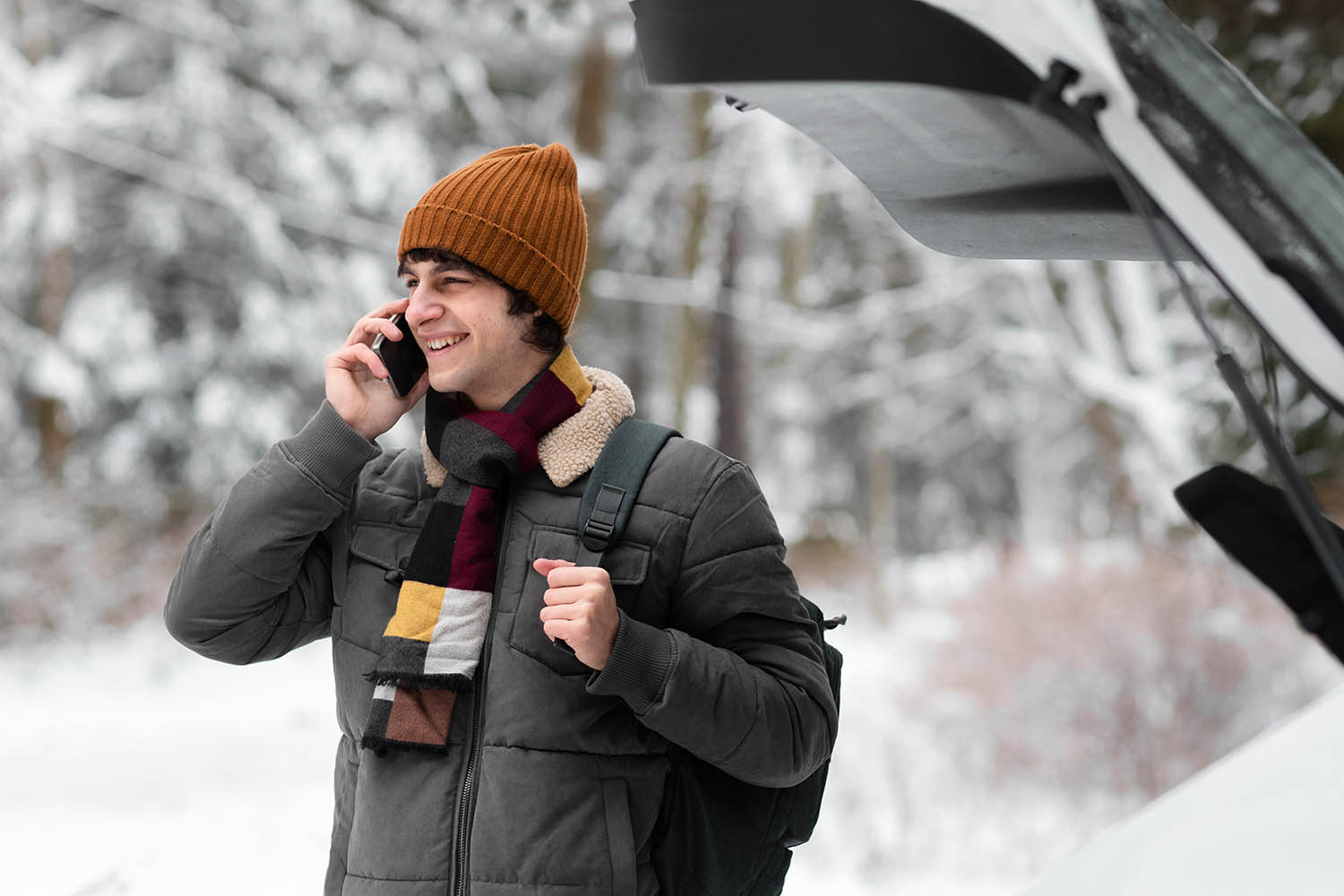
Canadian winter is the single most underestimated aspect of life in Canada for international students from tropical and subtropical countries. The temperature difference between a Mumbai summer and a Winnipeg January can exceed 50°C. But Canadian winter is also genuinely beautiful, culturally rich, and practically manageable — if you prepare correctly. This guide gives you everything you need to not just survive but genuinely enjoy a Canadian winter. StudentBuddy supports international students through every aspect of Canadian life, from finding student accommodation in Canada to settling in successfully through our student life resources.
To survive and enjoy a Canadian winter: invest in a quality insulated and waterproof winter jacket rated to at least -20°C, buy waterproof boots with grip soles, layer your clothing with thermal base layers, get a Vitamin D supplement (reduced sunlight in winter months), find one outdoor winter activity you enjoy (skiing, skating, snowshoeing), and actively maintain your social life — winter is when community matters most.
| City | Avg January temp | Wind chill (common) | Snow level | Winter harshness |
|---|---|---|---|---|
| Vancouver | 4°C | Mild | Rare snow | 🟢 Canada's mildest — rain, not snow |
| Victoria | 5°C | Mild | Very rare | 🟢 Mildest — spring-like |
| Halifax | −5°C | −15°C possible | Moderate | 🟡 Cold but manageable |
| Montreal | −10°C | −25°C with wind | Heavy | 🟠 Cold and snowy |
| Toronto | −7°C | −20°C with wind | Moderate | 🟠 Cold; variable |
| Ottawa | −12°C | −25°C with wind | Heavy | 🔴 One of Canada's coldest major cities |
| Calgary | −9°C (Chinook: +10°C sometimes) | −20°C typical | Variable | 🟡 Cold but Chinooks provide relief |
| Edmonton | −13°C | −25°C common | Heavy | 🔴 Very cold; long winter |
| Winnipeg | −17°C | −35°C with wind | Heavy | 🔴 Canada's coldest major city |
The essential winter clothing checklist
Staying warm and comfortable indoors
Canadian buildings are very well heated — most residences, apartments, lecture halls, and offices maintain 20°C to 22°C indoors throughout winter. The challenge is the transition between warm interiors and cold exteriors, not the indoor environment itself. You will spend most of your day indoors, and the quality of your indoor environment — your room, your study spaces, your social spaces — matters enormously for winter wellbeing. If your accommodation has poor heating or draughty windows, raise this with your landlord early in autumn.
Winter and mental health
Seasonal mood changes related to reduced daylight (shorter days from November to February) are common and clinically recognised. International students from tropical countries, where day length varies minimally year-round, are particularly susceptible. Strategies that help: a Vitamin D supplement (25 to 50 mcg daily — most Canadians take this in winter), maintaining physical activity (indoor options: campus gym, swimming pool, squash, rock climbing), maximising outdoor time during daylight hours, and maintaining your social schedule even when cold weather makes staying in tempting.
How to actually enjoy Canadian winter
The students who adjust best to Canadian winter are those who stop treating it as something to endure and start engaging with it as something to experience. Canada's winter culture is rich: Ottawa's Winterlude festival (world's largest naturally frozen skating rink on the Rideau Canal), Montreal's Igloofest electronic music events, Calgary's Stampede Winter Festival, Quebec City's Winter Carnival, and every Canadian city's network of outdoor skating rinks. Learning to ski or snowboard on a day trip from Toronto, Montreal, or Calgary opens up an entire recreational world that most tropical-country students have never experienced — and many become lifelong winter sports enthusiasts.
"I came from Lagos and I genuinely thought I was going to die in my first Ottawa winter. By February I was skating on the Rideau Canal every morning before class. Now I am back home in Lagos and I miss the snow. Canada changed my relationship with cold entirely."
— Chioma A., Public Policy graduate, University of Ottawa
Preparing for your first Canadian winter? Start with warm, well-located accommodation.
The right accommodation makes winter significantly more manageable. Browse StudentBuddy for verified student housing in well-heated, well-located buildings near your Canadian campus.
Find student accommodation in Canada →Frequently asked questions
It depends heavily on the city. Vancouver: mild (average 4°C in January, rarely snows). Toronto and Montreal: cold (average −7°C to −10°C in January, regular snowfall). Ottawa and Edmonton: very cold (average −12°C to −14°C in January, frequent −25°C to −35°C wind chill). Winnipeg: the coldest major city (average −17°C in January, −35°C wind chill common). Always look up the specific city where you will study, not a generic 'Canada' average.
Budget options: Walmart, FreshCo, and Canadian Tire stock affordable winter basics. Mid-range: Sport Chek, Mark's, Reitmans, and Winners (TK Maxx equivalent) offer quality at reasonable prices. Good value online: Amazon Canada often has deep discounts on reputable cold-weather brands. Premium: MEC (Mountain Equipment Company) is Canada's outdoor equipment cooperative with excellent quality winter gear at fair prices. Avoid: thin fashion jackets, non-waterproof boots, and anything that looks warm but lacks a warmth rating.
In Vancouver, Victoria, and parts of Halifax, year-round cycling is practical. In Toronto, Montreal, Ottawa, and Edmonton, winter cycling is possible but challenging — requiring studded tires, winter cycling gloves, and appropriate clothing. Many Canadian cities have invested in bike infrastructure including some winter-maintained paths. Most students in cold cities switch to transit during peak winter months and return to cycling in March or April.
Yes. Canadian building heating standards are significantly higher than most countries due to the climate. Office buildings, university lecture halls, residences, and transit vehicles maintain comfortable temperatures of 20°C to 23°C throughout winter. The shock is the transition between outdoors and indoors. Layering clothing (base layer, midlayer, outer shell) that you can remove when indoors is the most practical thermal management strategy.
A Chinook is a warm, dry wind that descends from the Rocky Mountains over southern Alberta, dramatically raising temperatures in hours — sometimes by 20°C to 30°C in a single day. In Calgary, Chinooks occur several times each winter, occasionally pushing January temperatures above 10°C. This makes Calgary's winters more variable and psychologically easier than comparable cold cities. Edmonton, further north, experiences fewer Chinooks and has consistently colder winters.