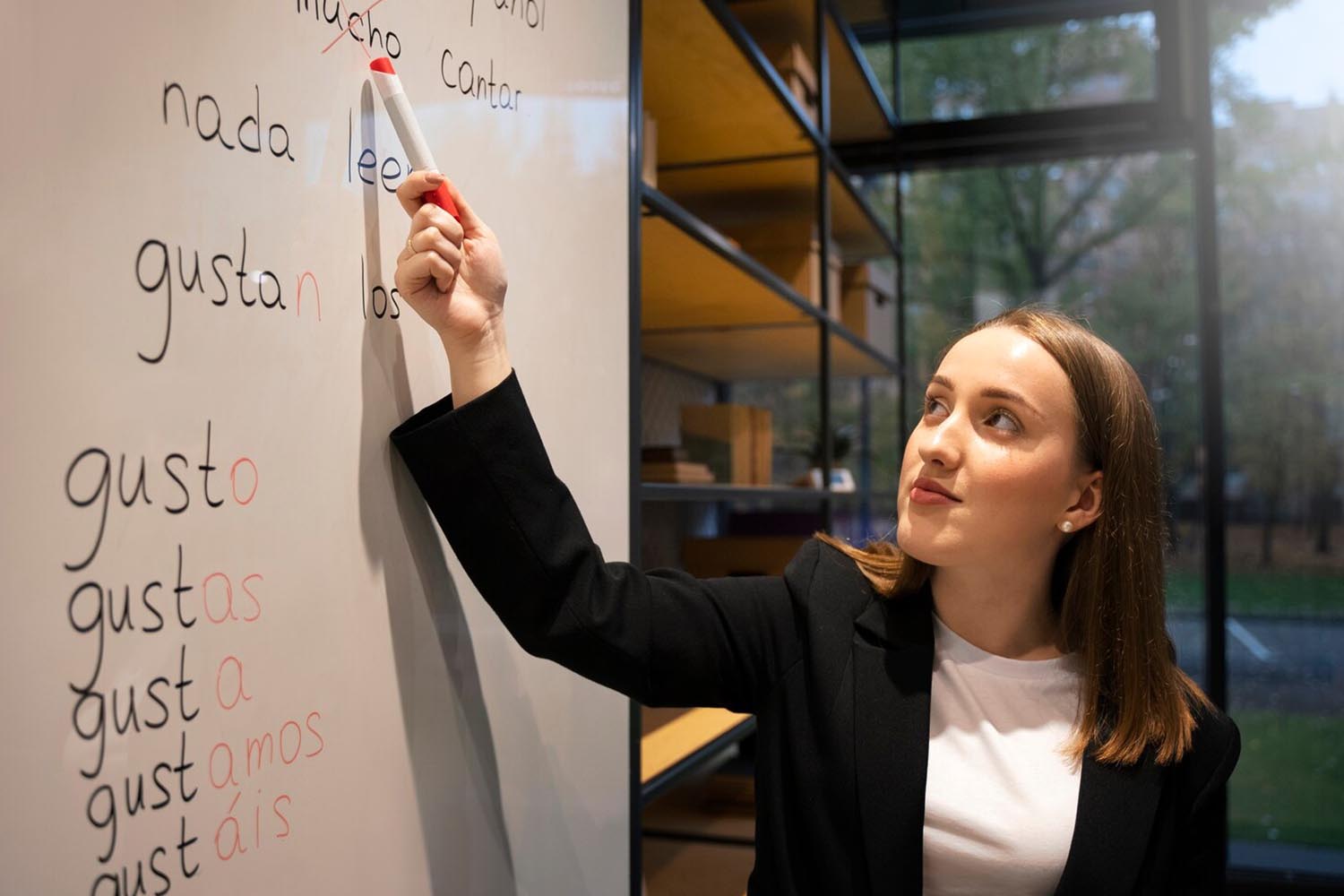
Language Barriers: How to Improve Your Academic English Fast
You don't have to figure this out alone, the team at Studentbuddy is here to support you every step of the way.
Even students with strong test scores sometimes find academic English demands, fast lecture pace, dense reading loads, formal writing conventions, more challenging in practice than anticipated. Targeted, consistent effort produces faster improvement than general immersion alone.
Identifying your specific area of difficulty
Academic English challenges usually cluster around a few specific skills, reading speed and comprehension, following fast spoken lecture content, or formal academic writing conventions, identifying which specific area is hardest for you focuses your improvement efforts more effectively than generic practice.
Improving reading speed and comprehension
Practice with increasingly challenging academic texts, using active reading strategies (previewing headers, summarizing sections in your own words) rather than passive reading, this builds both speed and genuine comprehension more effectively than reading alone.
Following fast lecture content
Recording lectures (with permission, where allowed) and reviewing challenging sections afterward, alongside practicing note-taking strategies specifically designed for fast spoken content, can meaningfully improve comprehension over a semester.
Strengthening academic writing
Your university's writing center, covered in our earlier guide on academic integrity, offers direct, personalized feedback on academic writing conventions, using this resource regularly, not just when a paper is due, builds skill progressively.
Building consistent daily practice
Short, consistent daily practice (reading, writing, or listening practice) tends to produce faster improvement than occasional intensive sessions, treat language improvement as an ongoing habit, similar to coursework itself.
Using conversation practice alongside formal study
Beyond formal academic skills, regular conversation practice with classmates or through structured language exchange programs builds overall fluency and confidence that supports academic performance indirectly.
Get connected to language support resources at your university.
Talk to a Study Abroad Advisor →FAQs
What academic English skills tend to be hardest for international students?
Reading speed and comprehension, following fast spoken lecture content, and formal academic writing conventions are common specific challenge areas.
Is it worth recording lectures to review later?
Yes, where permitted, reviewing challenging sections afterward, combined with practicing note-taking strategies for fast speech, can meaningfully improve comprehension.
How can the writing center help beyond just editing a specific paper?
Regular use, not just when a paper is due, builds academic writing skill progressively through personalized, ongoing feedback on conventions.
Is daily practice more effective than occasional intensive study sessions?
Generally yes, short, consistent daily practice tends to produce faster improvement than occasional intensive sessions.
Does conversation practice help with academic performance too?
Indirectly yes, building overall fluency and confidence through conversation practice supports academic performance beyond formal study alone.