Studying Journalism and Communications in the USA
You don't have to figure this out alone, the team at Studentbuddy is here to support you every step of the way.
Journalism and communications education in the US tends to emphasize practical, hands-on training alongside academic coursework, understanding this practice-oriented culture helps you choose a program and approach your studies effectively.
Practical training emphasis
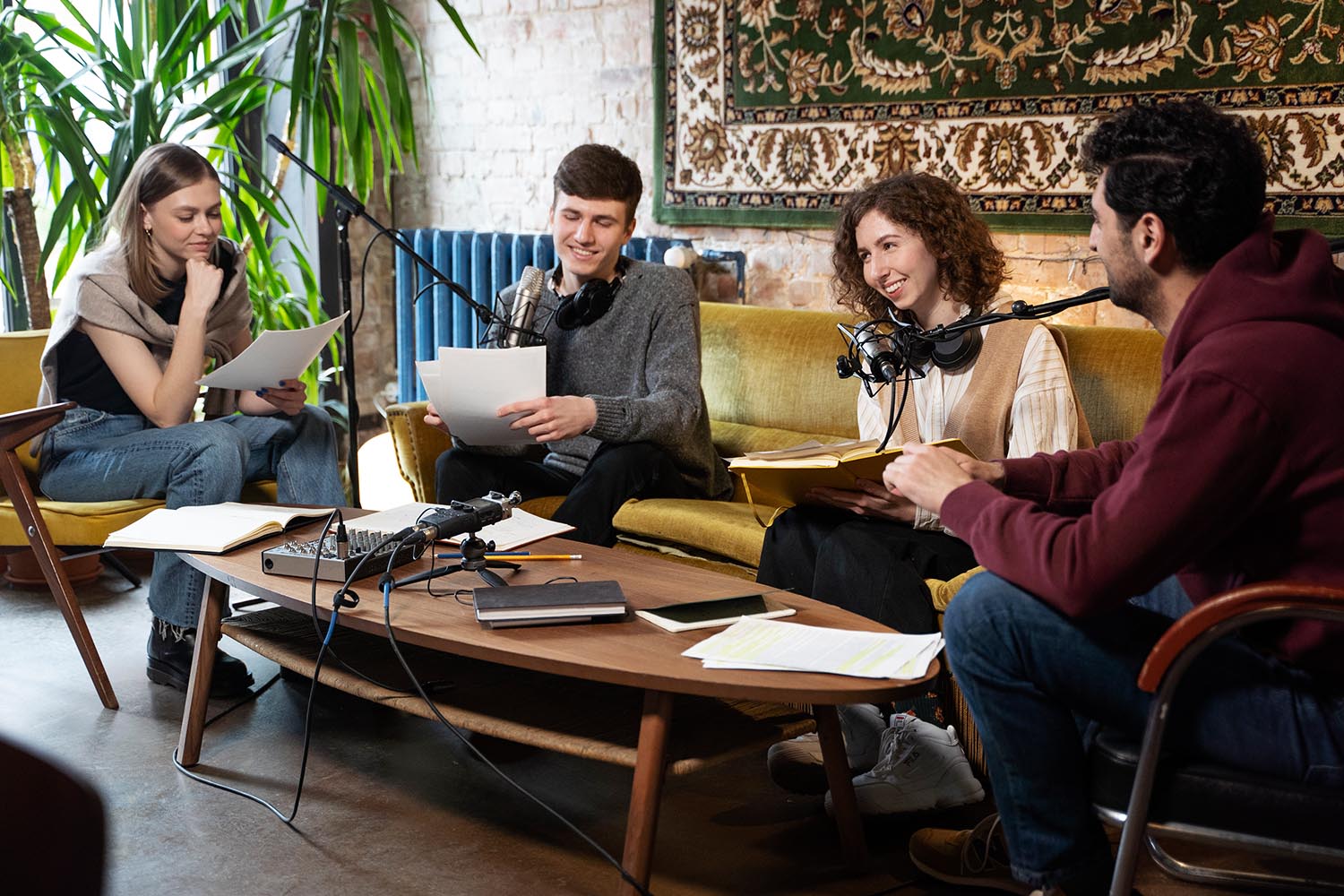
Many US journalism programs are built around student-run publications, broadcast studios, and required internships, actively seeking out these hands-on opportunities, not just coursework, is central to building a strong portfolio and professional network in this field.
Choosing a program based on placement track record
Research each target program's specific internship and job placement track record with media organizations relevant to your interests, this practical outcome data matters more in this field than general university ranking alone.
Visa considerations for media and freelance work
Journalism and communications careers sometimes involve freelance or gig-based work structures, which can complicate F-1 work authorization, freelance work generally still requires proper authorization (CPT, OPT) just like traditional employment, so understand these rules carefully before pursuing freelance opportunities.
Building a genuine body of published work
Beyond coursework, actively pursuing bylines, produced segments, or other published work, through student publications, internships, or freelance opportunities where properly authorized, builds a portfolio that matters significantly for job searches in this competitive field.
Specializations within communications
Consider whether broadcast journalism, print/digital journalism, public relations, or strategic communications better fits your specific interests, since these specializations lead to meaningfully different career paths and require somewhat different skill development during your program.
Find journalism and communications programs with strong placement records.
Browse Universities →FAQs
Do journalism programs require prior media experience?
Not typically for admission, though demonstrated genuine interest through prior writing, broadcasting, or related activity can strengthen your application.
Can international students do freelance journalism work while studying?
Freelance work generally still requires proper F-1 authorization (CPT or OPT) just like traditional employment, understand these rules carefully before pursuing freelance opportunities.
How important is a program's placement track record?
Very important in this field, research each target program's specific internship and job placement record with relevant media organizations, which matters more than general ranking alone.
Are journalism programs STEM-designated?
Generally no, standard 12-month OPT applies, which is worth factoring into your career planning timeline.
What's the difference between journalism and communications as majors?
Journalism typically focuses on news reporting and production, while communications is broader, encompassing public relations and strategic communications, choose based on your specific career interests.